What 150+ Patients Taught Us About Liver Health in Our Community
Liver and Digestive Disease Center (LDDC)
A health camp can tell you much more than the number of patients who walk through the door.
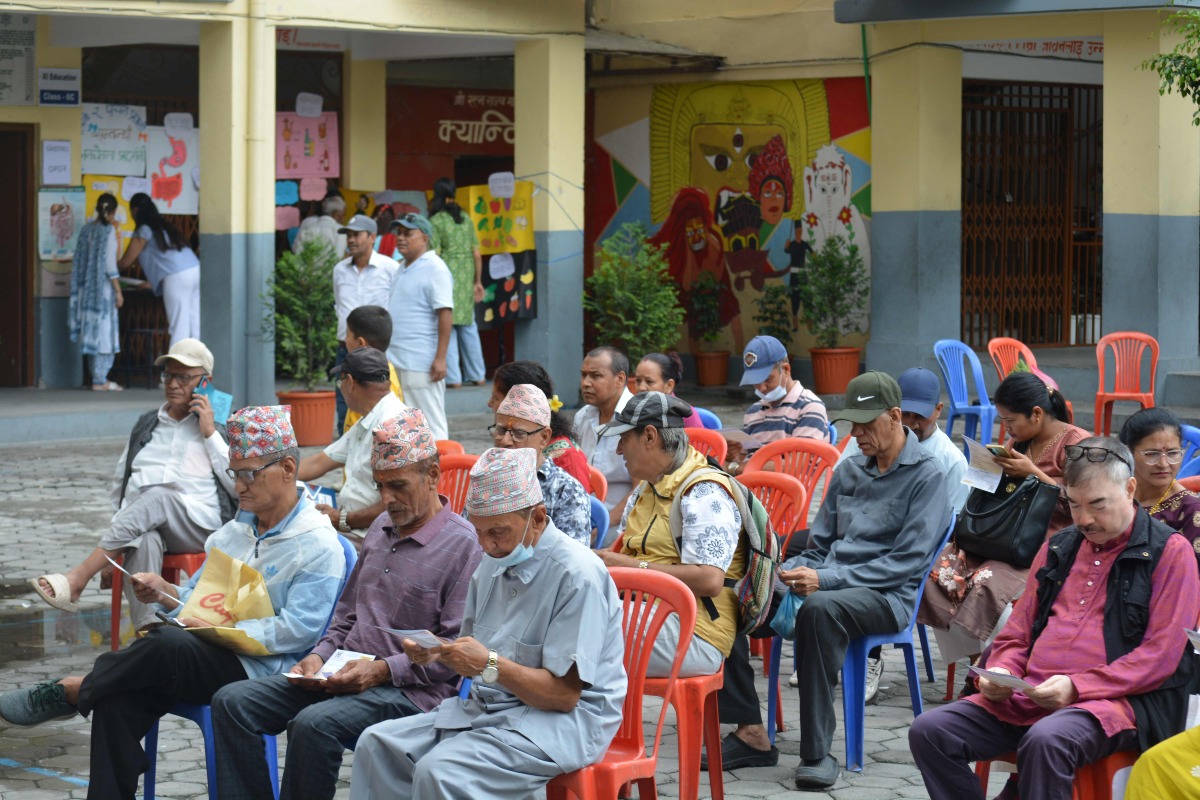
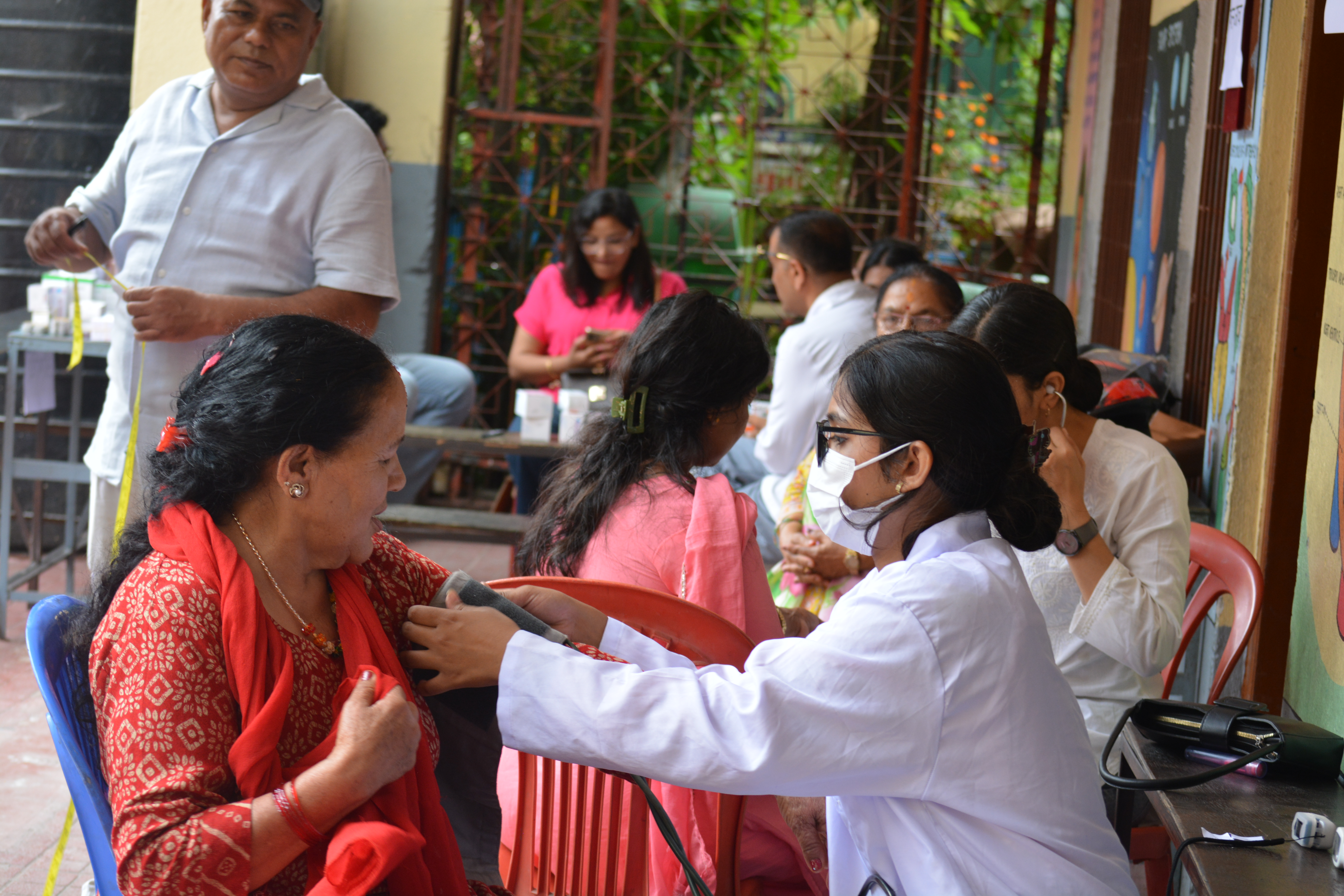
When more than 150 people came to our Free Liver & Digestive Health Camp at LDDC, Baneshwor, we saw something that goes beyond statistics. We saw curiosity, concern, unanswered questions, and, most importantly, a willingness to take the first step towards better health.
Most of the patients came from Baneshwor and surrounding areas. Some travelled from as far as Chobhar. Different people, different stories, but many with something in common: they wanted to know more about their health.
And that is perhaps one of the biggest challenges in liver and digestive health — people often do not feel the need to get checked until something starts to hurt.
The problem with "I feel fine"
Liver disease can be particularly difficult because the liver is remarkably quiet.
Many liver conditions can develop without obvious symptoms, especially in their early stages. A person can be living with fatty liver, hepatitis, or other liver-related problems without knowing it.
The same applies to many digestive conditions. What begins as occasional acidity, bloating, abdominal discomfort, or changes in digestion is often dismissed as something minor and temporary.
Sometimes it is.
Sometimes it isn't.
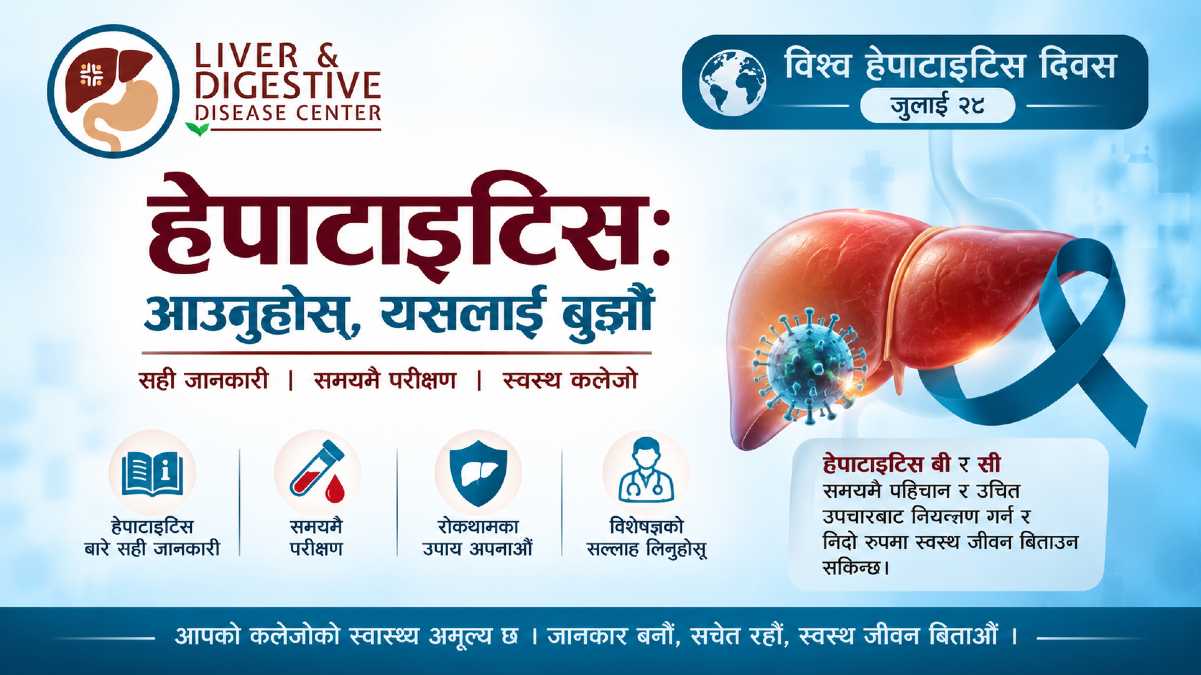
This is why awareness and early screening matter. Healthcare should not only begin when someone becomes seriously ill. It should also help people understand their risks before a problem becomes bigger.
A health camp is also an awareness camp
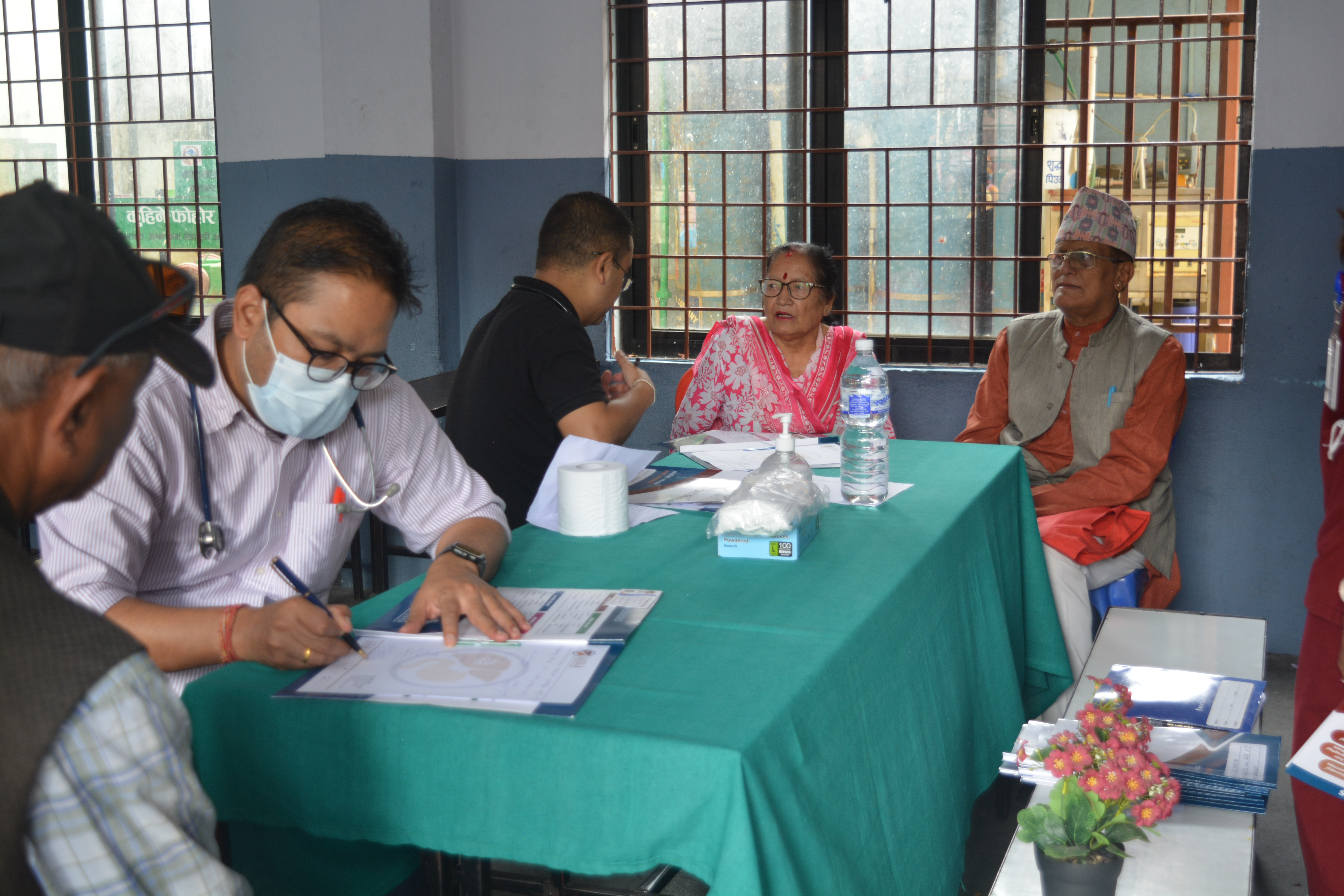
One of the most valuable parts of the day was not simply the consultation. It was the conversations.
People had questions. Why does fatty liver happen? Can it be reversed? What does hepatitis mean? When should someone get tested? Is abdominal discomfort something to worry about? What lifestyle changes actually make a difference?
These conversations are important because health information becomes useful only when people can understand how it applies to their own lives.
Through the awareness program conducted in collaboration with Inreach, supported by B.Sc. Nursing 4th Year student volunteers from NAMS, we were able to take those conversations beyond the consultation room.
Prevention is not just a doctor's responsibility
A healthier community cannot be created by doctors alone.
It requires patients who are willing to ask questions, families who encourage one another to seek care, healthcare professionals who take time to educate, students who volunteer, organizations that create awareness, and communities that make preventive healthcare a priority.
That was one of the most encouraging aspects of the camp.
Doctors, nursing students, volunteers, community representatives and patients all came together for the same purpose — better health.
What comes after the camp?
A health camp should not be the end of the conversation.
For some people, it may be the first time they have spoken to a specialist. For others, it may be the moment they realize that a symptom they had been ignoring deserves attention. And for some, it may simply reinforce the importance of maintaining a healthy lifestyle and getting regular health checks.
The real impact of a health camp is therefore not measured only by how many people attended.
It is measured by what happens afterwards.
Does someone finally get that test they had been postponing?
Does someone change their diet or become more physically active?
Does a family member get screened because someone learned about hepatitis?
Does someone recognize a warning sign earlier because they had a conversation with a healthcare professional?
Those are the outcomes that matter.
Building a culture of early care
At LDDC, we believe that specialist healthcare should be accessible, understandable, and connected to the community.
Our Free Liver & Digestive Health Camp was one small step in that direction.
The response from more than 150 patients reminded us that there is a genuine need for greater awareness and accessible specialist care for liver and digestive diseases.
And perhaps the biggest takeaway from the day was simple:
You do not have to wait until you are sick to start taking care of your liver.
Sometimes, the most important health decision is simply deciding to ask, "Am I okay?"
That question can be the beginning of something much bigger.
Keywords:
liver health nepal, liver screening kathmandu, fatty liver, awareness, liver disease prevention, free liver health camp nepal, liver checkup baneshwor, liver disease screening nepal, digestive health camp kathmandu, LDDC, liver health awareness nepal, free health camp kathmandu, early liver disease detection